
Emma Carter
Financial Editor at Blackcat
Covers personal finance, digital payments, and financial products across the EU and UK. Turns complex financial topics into clear, practical articles for everyday users, freelancers, and creators.
About the author
Emma is part of the Blackcat content team and covers topics related to personal finance, digital payments and financial products in the EU and UK. She works on research, structure and editorial quality to ensure articles are clear, accurate and useful. She works closely with product and compliance teams to turn complex financial topics into clear, structured articles for everyday users, freelancers and businesses.
Agency–Creator Split Payments: Fees, Refunds and Payouts
When a brand pays an agency for a creator's campaign, one receipt has to become two or more payouts. Split payments define the rules and transfers that make this happen: how much is shared, who pays the fees, what is held back and when each party gets paid. Most disputes between agencies and creators start not with the percentage but with the base it applies to.

DAC7 for Creators: Platform Reporting and Income Records
If a platform has asked for your tax number and date of birth before releasing a payout, DAC7 is the likely reason. It is an EU rule that makes certain digital platforms report what their sellers earn to tax authorities, and it reaches some creators but not all.

Foreign Transaction Fee: FX Markups, DCC and Card Costs
A card payment in another currency can carry three separate costs, and only one of them is usually called a foreign transaction fee. The other two hide inside exchange rates: the rate the card network applies, and, if you accept the offer at the till, the rate a shop or ATM sets for you. Statements often show a single euro figure, so the split is easy to miss.

Virtual Card for Subscriptions: Renewals and Payment Control
A virtual card for subscriptions gives your recurring charges their own card number, separate from the card you use in shops. It makes renewals easier to see and easier to stop paying for. What it does not do is end a contract: the card controls the payment, while the agreement with the service stays between you and the merchant.
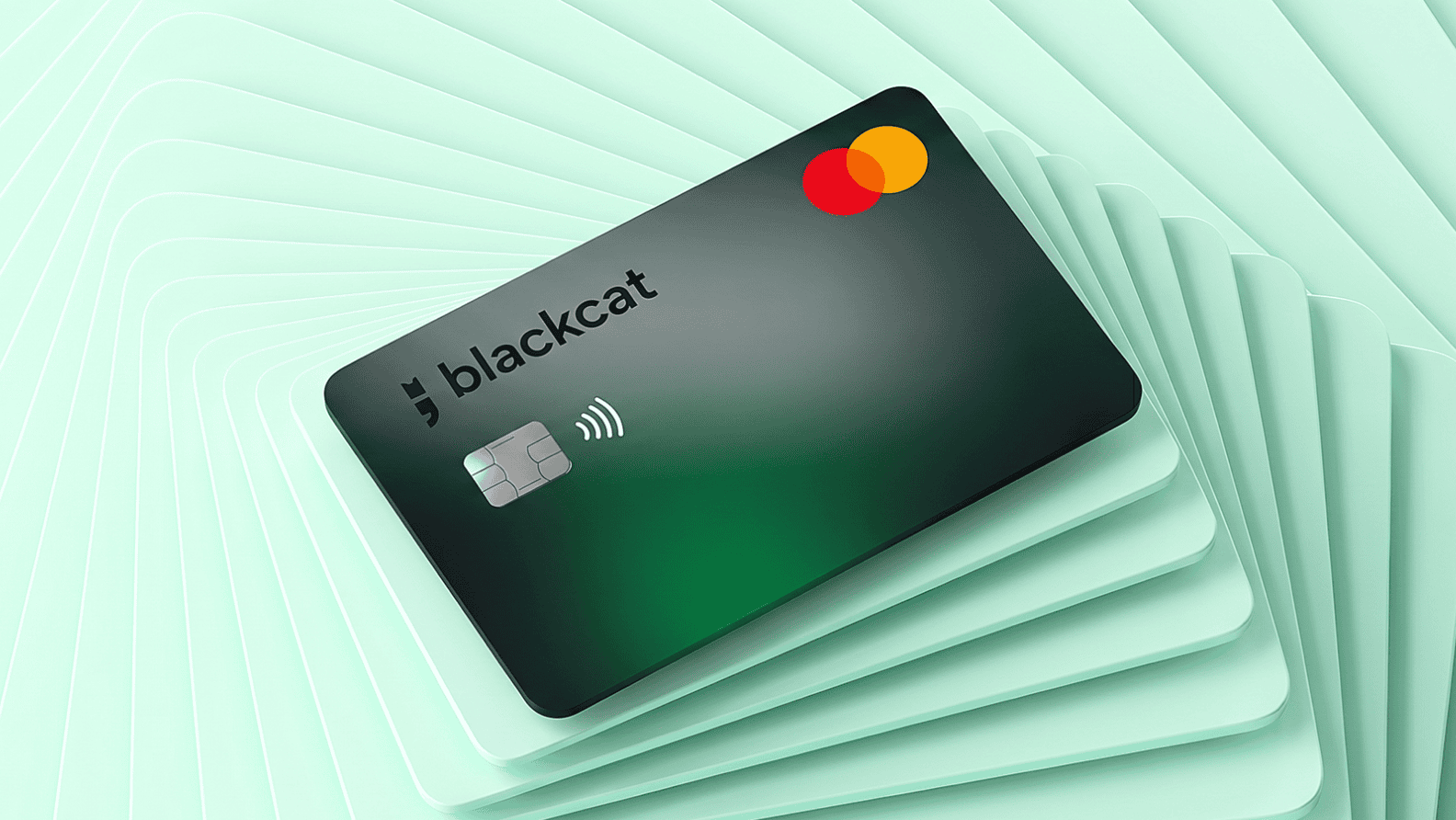
Prepaid Cards for Online Shopping: Acceptance, Fees and Payment Controls
You want to order from a shop you have never used, without handing over the card your salary lands on. Or you have a reloadable card and want to know if it will get through checkout. A prepaid card for online shopping can do the job – once you know how the shop reads the card, what loading and spending cost, and what happens with renewals and refunds.

Balance Rewards vs Interest: Bonuses and Savings Compared
A savings product and a fintech loyalty program can both show a yearly percentage next to your balance, but they rest on different contracts. Interest is what a bank pays for using your deposit; a balance reward is a bonus paid under a loyalty program’s rules while your money stays in an e-money account. Comparing balance rewards vs interest means checking who pays, who qualifies, how the amount is calculated, when it’s paid and what protects the money underneath.