How to Get Cashback on Amazon Purchases: Eligibility and Payout Rules
Cashback on an Amazon order is not decided at Amazon’s checkout. It hinges on the rules of the cashback program linked to the card that paid:

Articles, analysis, and updates from Blackcat, grouped under Personal Finance.
Explore categories
Cashback on an Amazon order is not decided at Amazon’s checkout. It hinges on the rules of the cashback program linked to the card that paid:
"Cashback" means two completely different things in European payments. Cashback debit cards give you a small percentage back on what you spend. Cash at the checkout lets you ask the cashier for banknotes when you pay, so you can pick up cash and groceries in one stop.
A search for the best card for travel to Europe will get you rankings, but a ranking doesn’t factor in your real route. Europe is not one currency zone, so the same card can be cheap for a week in Lisbon and expensive for a week in Kraków.
If you live outside the EU and are looking for a European account for non residents, the search results can be genuinely confusing. Some providers quietly require an EU address. Others offer something that works like a bank account but technically isn't one.
You paid a supplier at 6:40pm on a Friday. On Monday they email to say nothing has arrived. Nothing went wrong – the payment went out on the standard rail, and the standard rail does not run at weekends.
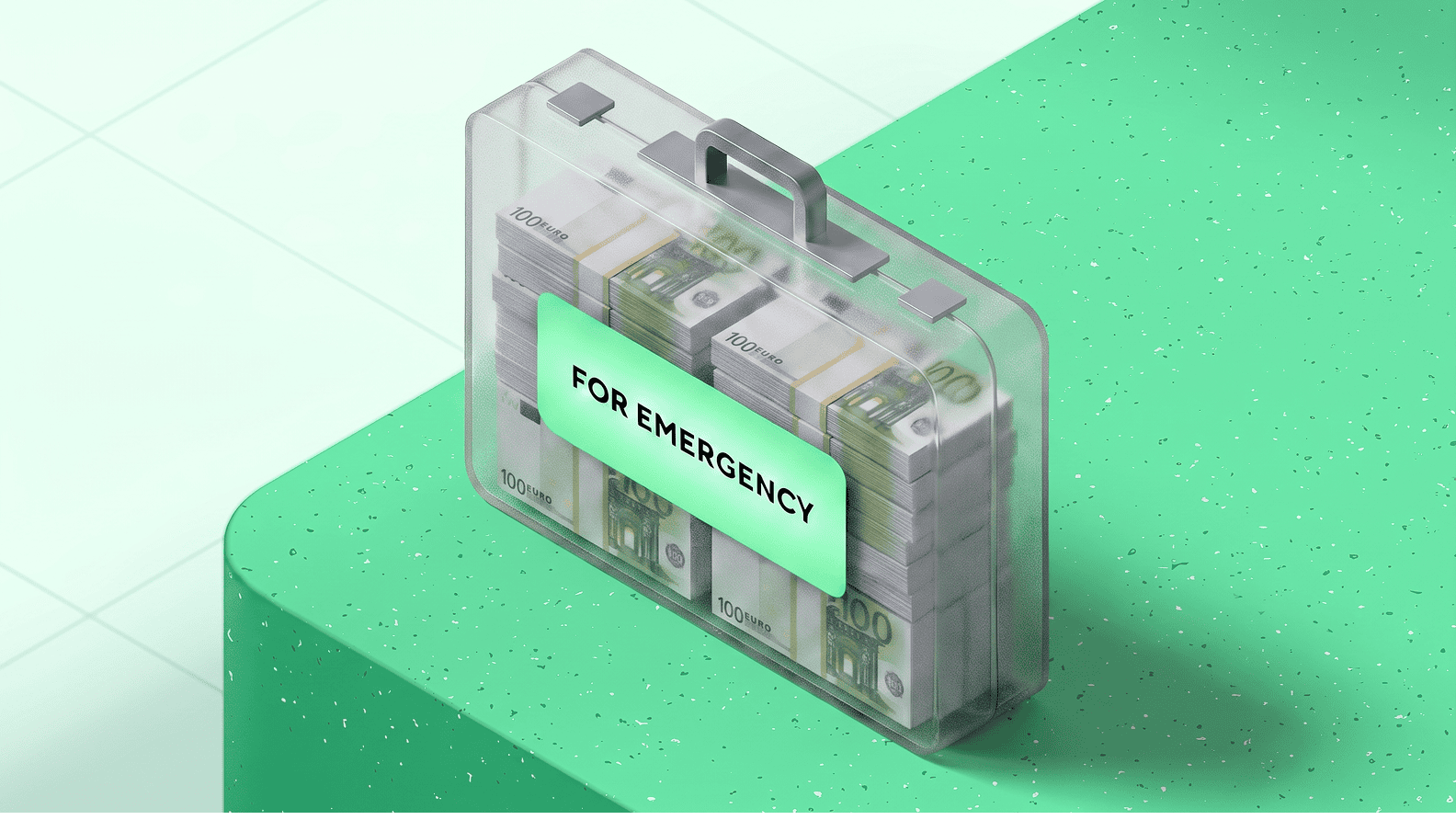
You've decided you want an emergency fund. You've also tried, at least once, to track every euro you spend to get there – and it lasted about eleven days before the receipts, the app notifications, and the guilt about a spontaneous coffee all became too much to keep up with.